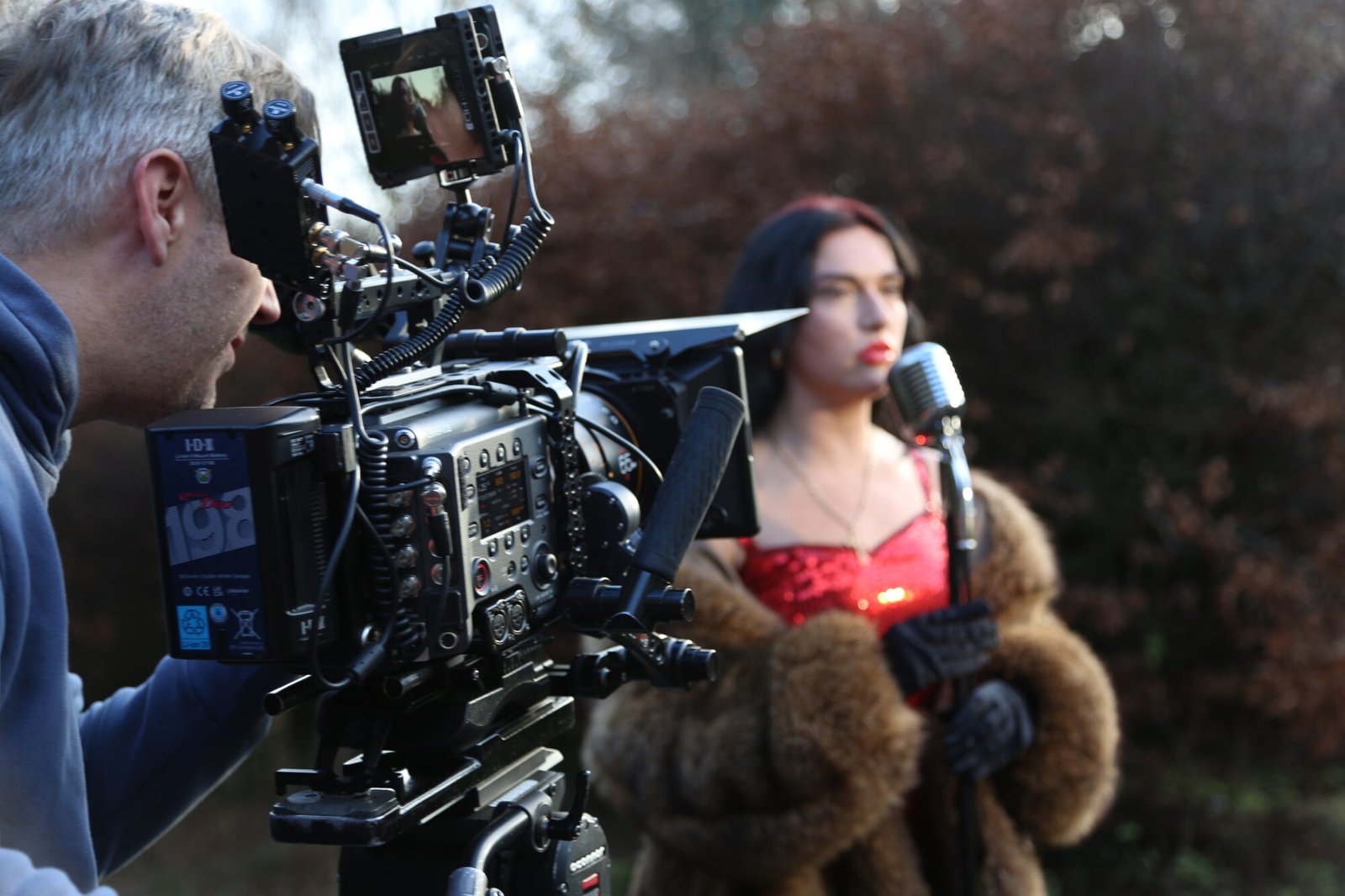
Cinematography is at the heart of any compelling music video. It is the craft of capturing moving images in a way that supports the music, enhances the narrative, and creates a distinct visual identity. While camera equipment and technical settings are important, cinematography goes far beyond that—it is about how shots are composed, how the camera moves, how light interacts with the subject, and how all these elements work together to evoke emotion and meaning.
In music video production, cinematography is often more expressive and experimental than in traditional film or television. It allows filmmakers to push creative boundaries, using visuals to amplify the rhythm, tone, and message of the music.
Visual Storytelling Through Cinematography
At its core, cinematography is a storytelling tool. Even in music videos that do not follow a traditional narrative, the visuals still communicate ideas and emotions. The cinematographer works closely with the director to translate the concept of the video into a visual language.
This involves making decisions about framing, composition, lighting, and movement. For example, a tightly framed close-up can create intimacy and focus on the artist’s emotion, while a wide shot can establish environment and context. Similarly, a handheld shot can feel raw and energetic, whereas a smooth tracking shot can feel controlled and cinematic.
Understanding how to use these techniques effectively allows the cinematographer to guide the viewer’s attention and shape their emotional response.
Composition and Framing
Composition refers to how elements are arranged within the frame. Good composition ensures that the subject is clearly defined and that the image is visually balanced.
One of the most commonly used principles is the rule of thirds, where the frame is divided into a grid and key elements are placed along the lines or at their intersections. This creates a more dynamic and visually pleasing image than simply centering the subject.
Leading lines, symmetry, and framing within the frame are also powerful tools. For example, using doorways, windows, or natural elements to frame the subject can add depth and draw attention to the focal point.
In music videos, composition is often used more creatively. Subjects may be deliberately off-centre, partially obscured, or framed in unconventional ways to create a unique aesthetic.
Camera Movement and Energy
Camera movement plays a major role in defining the energy of a music video. The way the camera moves—or doesn’t move—can influence how the audience experiences the music.
- Static shots can create a sense of calm, focus, or tension
- Handheld movement can add energy, realism, or chaos
- Tracking shots can immerse the viewer and create flow
- Crane or drone shots can add scale and spectacle
In music videos, camera movement is often synchronised with the rhythm of the song. Quick, dynamic movements may be used for high-tempo tracks, while slower, smoother movements may suit more emotional or atmospheric pieces.
The key is to ensure that movement feels intentional and supports the overall concept rather than distracting from it.
Lighting as a Cinematic Tool
Lighting is one of the most important aspects of cinematography. It not only ensures that the subject is visible but also shapes the mood, depth, and texture of the image.
Different lighting styles can produce very different effects:
- High-key lighting creates a bright, even look often used in pop videos
- Low-key lighting uses strong contrast and shadows to create drama and mystery
- Backlighting can create silhouettes and add depth
- Practical lighting (such as lamps or neon signs within the scene) can enhance realism and atmosphere
In music videos, lighting is often stylised to match the tone of the song. Coloured lights, gels, and creative setups are frequently used to create visually striking scenes.
Lens Choice and Depth of Field
The choice of lens has a significant impact on the look of the footage. Different focal lengths affect perspective, depth, and how the subject is perceived.
- Wide-angle lenses capture more of the environment and can exaggerate movement
- Standard lenses provide a natural perspective similar to the human eye
- Telephoto lenses compress distance and isolate the subject from the background
Depth of field—the area of the image that appears in focus—is another important consideration. A shallow depth of field, where the subject is sharp and the background is blurred, is often used to draw attention to the performer. A deep depth of field keeps more of the scene in focus, which can be useful for complex or detailed environments.
In music videos, depth of field is frequently used creatively to shift focus, highlight details, or create a cinematic look.
Colour and Visual Style
Although colour grading is part of post-production, cinematography plays a crucial role in establishing the visual style during the shoot. This includes decisions about colour palettes, wardrobe, set design, and lighting.
A consistent visual style helps create a cohesive and recognisable video. For example, a video may use a limited colour palette to create a strong visual identity, or it may use contrasting colours to create tension and interest.
Cinematographers often work closely with production designers and costume designers to ensure that all visual elements align with the intended aesthetic.
Working with the Artist
In music video production, the artist is usually the central focus. Capturing their performance in a compelling way is a key responsibility of the cinematographer.
This involves understanding the artist’s style, energy, and personality. Some artists may prefer a more natural, understated approach, while others may want a bold and theatrical presentation.
Close-ups are particularly important, as they allow the audience to connect with the artist on an emotional level. Ensuring that the artist is well-lit, properly framed, and in focus is essential.
Communication between the cinematographer, director, and artist is crucial to achieving the desired result.
Continuity and Coverage
To ensure a smooth editing process, cinematographers must capture sufficient coverage. This means filming a variety of shots, including wide shots, medium shots, and close-ups, as well as different angles and takes.
Continuity is also important. This involves maintaining consistency in lighting, positioning, and performance across different shots. In music videos, lip-sync accuracy is particularly critical. The artist must perform in sync with the track so that the footage aligns correctly during editing.
Shooting multiple takes allows the editor to choose the best moments and create a more dynamic final cut.
Collaboration and Workflow
Cinematography is a collaborative process. The cinematographer works closely with the director, camera operators, gaffers (lighting technicians), and other crew members to achieve the desired look.
Planning is essential. This often involves creating shot lists, storyboards, and mood boards before the shoot. These tools help ensure that everyone is aligned and that the production runs smoothly.
On set, clear communication and adaptability are key. Conditions may change, and unexpected challenges can arise. A skilled cinematographer must be able to adjust while maintaining the overall vision.
The Impact of Cinematography
Strong cinematography can elevate a music video from simple footage to a visually striking piece of art. It enhances the music, reinforces the message, and creates a memorable viewing experience.
In today’s digital landscape, where audiences are constantly exposed to visual content, high-quality cinematography is more important than ever. It helps a video stand out and leaves a lasting impression.
Conclusion
Video cinematography is a fundamental aspect of music video production. It combines technical knowledge with creative vision to produce images that are both visually appealing and emotionally impactful. From composition and lighting to camera movement and lens choice, every decision contributes to the final result.
By mastering the principles of cinematography and applying them thoughtfully, filmmakers can create music videos that not only complement the music but also enhance it, turning sound into a powerful visual experience.