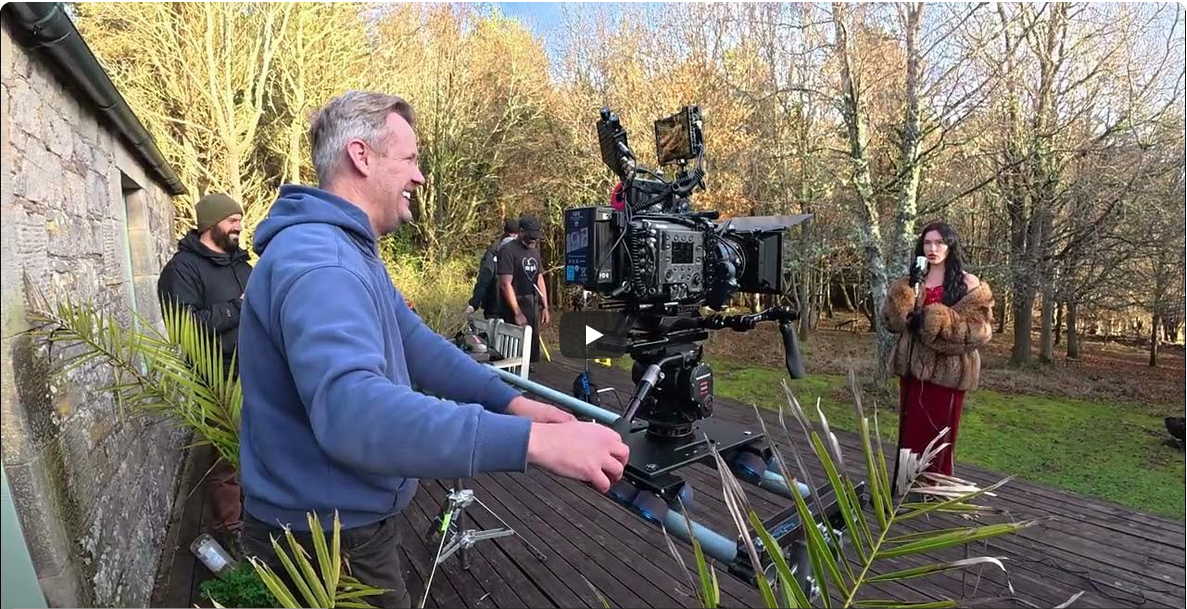
When it comes to producing a music video, the camera and technical setup form the backbone of the entire project. While creativity, performance, and storytelling are essential, none of it can be effectively captured without a solid understanding of camera systems, formats, and the technical decisions that shape the final visual output. From choosing the right camera to configuring frame rates, lenses, and stabilization, every technical element contributes to the look and feel of the video.
Choosing the Right Camera
The first step in any music video production is selecting the appropriate camera. This choice depends on several factors, including budget, desired visual quality, and the style of the video. Professional productions often use cinema cameras such as those from RED, ARRI, or Blackmagic, which offer high dynamic range, superior color depth, and flexibility in post-production. However, modern DSLRs and mirrorless cameras—such as those from Sony, Canon, and Panasonic—are also widely used and can produce excellent results when handled correctly.
Key features to consider when selecting a camera include resolution, sensor size, dynamic range, and low-light performance. A larger sensor typically provides better depth of field control and improved performance in low-light conditions, both of which are valuable in music video production where lighting conditions can vary significantly.
Resolution and Recording Formats
Resolution plays a crucial role in determining the level of detail captured in the footage. While Full HD (1080p) is still acceptable, most productions now shoot in 4K or higher. Shooting in 4K not only provides sharper images but also allows for more flexibility in post-production, such as cropping, reframing, and stabilizing footage without significant quality loss.
Equally important is the recording format. Cameras may record in compressed formats such as H.264 or H.265, or in higher-quality codecs like ProRes or RAW. Shooting in RAW or a high-bitrate codec preserves more image data, which is especially beneficial during color grading. This is particularly important in music videos, where stylized visuals and strong color treatments are often used to enhance the mood and aesthetic.
Frame Rates and Motion
Frame rate selection is a key creative and technical decision. The standard frame rate for cinematic video is 24 frames per second (fps), which provides a natural motion blur and a film-like appearance. However, music videos often make use of varied frame rates to achieve different effects.
For example, shooting at higher frame rates such as 50fps or 60fps allows for smooth slow-motion playback when the footage is conformed to 24fps in post-production. This technique is frequently used in performance shots to add drama and emphasis. On the other hand, lower frame rates or intentional frame skipping can create a stylized, jittery effect that suits certain genres or artistic directions.
Understanding shutter speed is also essential. A general rule is to set the shutter speed to double the frame rate (e.g., 1/48 for 24fps) to maintain natural motion blur. Deviating from this can create either a sharper, more staccato look or a more blurred, dreamlike effect.
Lens Selection and Composition
Lenses are just as important as the camera body itself. Different lenses produce different visual characteristics, influencing depth of field, perspective, and overall image quality. Prime lenses, which have a fixed focal length, are often preferred for their sharpness and wider apertures. Zoom lenses, on the other hand, offer flexibility and convenience, especially in fast-paced shooting environments.
Wide-angle lenses are useful for capturing expansive scenes or creating a sense of space, while telephoto lenses can compress distance and isolate subjects from the background. In music videos, lens choice is often driven by the desired visual style. For example, a shallow depth of field can be used to draw attention to the performer, while a wide lens may be used to emphasize movement and environment.
Manual focus is typically preferred over autofocus in professional settings, as it provides greater control and consistency. Focus pulling—shifting focus between subjects within a shot—is a common technique used to add visual interest and guide the viewer’s attention.
Camera Movement and Stabilization
Dynamic camera movement is a hallmark of many music videos. Whether it’s a smooth tracking shot, a handheld sequence, or a dramatic crane movement, the way the camera moves can significantly impact the energy and storytelling of the video.
To achieve stable and controlled movement, filmmakers use a range of stabilization tools. Tripods provide a solid, static base for locked-off shots, while gimbals allow for smooth, flowing movement even when the operator is in motion. Sliders and dollies are used for controlled linear movement, and handheld shooting can be used deliberately to create a raw, energetic feel.
The choice of movement should align with the tone of the music and the overall concept of the video. Fast-paced tracks may benefit from more dynamic, kinetic camera work, while slower, emotional songs may call for more restrained and deliberate movement.
Lighting and Exposure
Although lighting is often considered a separate topic, it is closely tied to camera operation. Proper exposure is critical to capturing usable footage. This involves balancing aperture, shutter speed, and ISO—the three elements of the exposure triangle.
In music video production, lighting setups can vary widely, from natural light to complex studio rigs. Cameras with high dynamic range are particularly useful, as they can capture detail in both highlights and shadows. Tools such as histograms and waveform monitors are often used to ensure accurate exposure.
Using neutral density (ND) filters is also common, especially when shooting outdoors. ND filters reduce the amount of light entering the lens, allowing filmmakers to maintain a desired aperture and shutter speed even in bright conditions.
Data Management and Workflow
The technical process doesn’t end when the camera stops rolling. Proper data management is essential to ensure that footage is safely stored and easily accessible during post-production. This typically involves backing up footage to multiple drives and organizing files in a clear and consistent structure.
Shooting in high-resolution formats generates large amounts of data, so having sufficient storage and fast transfer speeds is crucial. On set, a data wrangler or digital imaging technician (DIT) may be responsible for managing media and ensuring that everything is properly logged and backed up.
In post-production, the chosen recording format and camera settings will influence the editing and grading workflow. Footage shot in LOG or RAW formats requires color correction and grading to achieve the desired look, but it also provides greater flexibility in adjusting exposure, contrast, and color balance.
Conclusion
Camera and technical considerations play a vital role in the success of a music video production. From selecting the right camera and lenses to configuring frame rates and managing data, each decision impacts the final result. By understanding these technical elements and how they interact, filmmakers can better translate their creative vision into compelling visual content. Ultimately, mastering the technical side of production allows for greater freedom in storytelling, enabling the creation of music videos that are both visually striking and emotionally engaging.